
 RU
RU
 CN
CN
Stricter Phytosanitary Control: Rise in Import Rejections for Fresh Vegetables
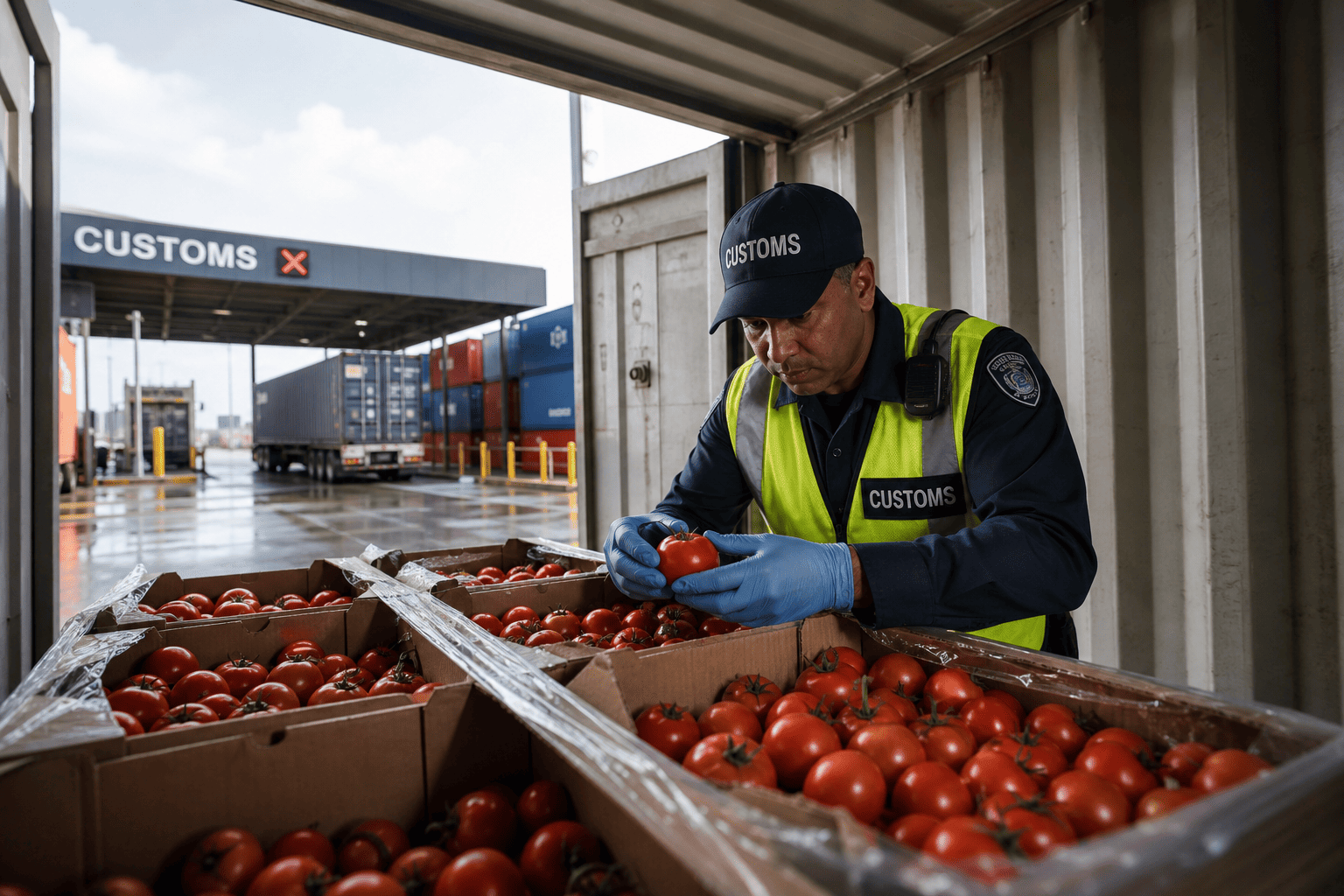
In the spring of 2026, the territorial departments of Rosselkhoznadzor (the Russian Federal Service for Veterinary and Phytosanitary Surveillance) tightened phytosanitary control over imports of fresh vegetables from China, Central Asian countries, and Turkey. Inspections have revealed multiple instances of quarantine pests, resulting in import bans on specific shipments and, in some cases, their destruction.
The primary reasons for rejections are the detection of the Tomato Brown Rugose Fruit Virus (ToBRFV) and the South American tomato pinworm (Tuta absoluta). Specifically, in the Amur Region, the hazardous virus (ToBRFV) was detected in two shipments of Chinese tomatoes (803 kg). Since the beginning of the year, this region has recorded eight cases of the virus in shipments totaling approximately 6.5 tons.
A similar trend is observed in the monitoring of supplies from Central Asia. In the Orenburg Region, during the first four months of 2026, the import of over 1,000 tons of plant-based products from Uzbekistan and Turkmenistan was restricted (quarantine organisms were detected in 95 shipments, including grapes, tomatoes, and cabbage). In the Omsk Region, the ToBRFV virus caused an import ban on 470 tons of Uzbek tomatoes (38 cases).
Rejections are also being recorded for Turkish imports: in March, at the port of Tuapse, the tomato pinworm was found in a 20-ton shipment, and in April, a portion of a 36-ton tomato shipment was detained due to the rugose virus. In several instances, in accordance with regulations, infected products are subject to disposal (for example, two shipments from Turkmenistan weighing a total of 18 tons were destroyed in Chelyabinsk).
The systematic rejection of perishable goods creates a zone of heightened financial risk for importers in the "Fresh" category. The reliance of the food retail sector on imported vegetables during the off-season is now encountering stringent regulatory barriers. Suppliers from the PRC and Central Asia will need to strengthen pre-export laboratory control locally to minimize financial losses resulting from truck turnarounds at the Russian border.