
 RU
RU
 CN
CN
Specifics of the Distribution of "ChaCha" Sunflower Seeds in the Russian Market
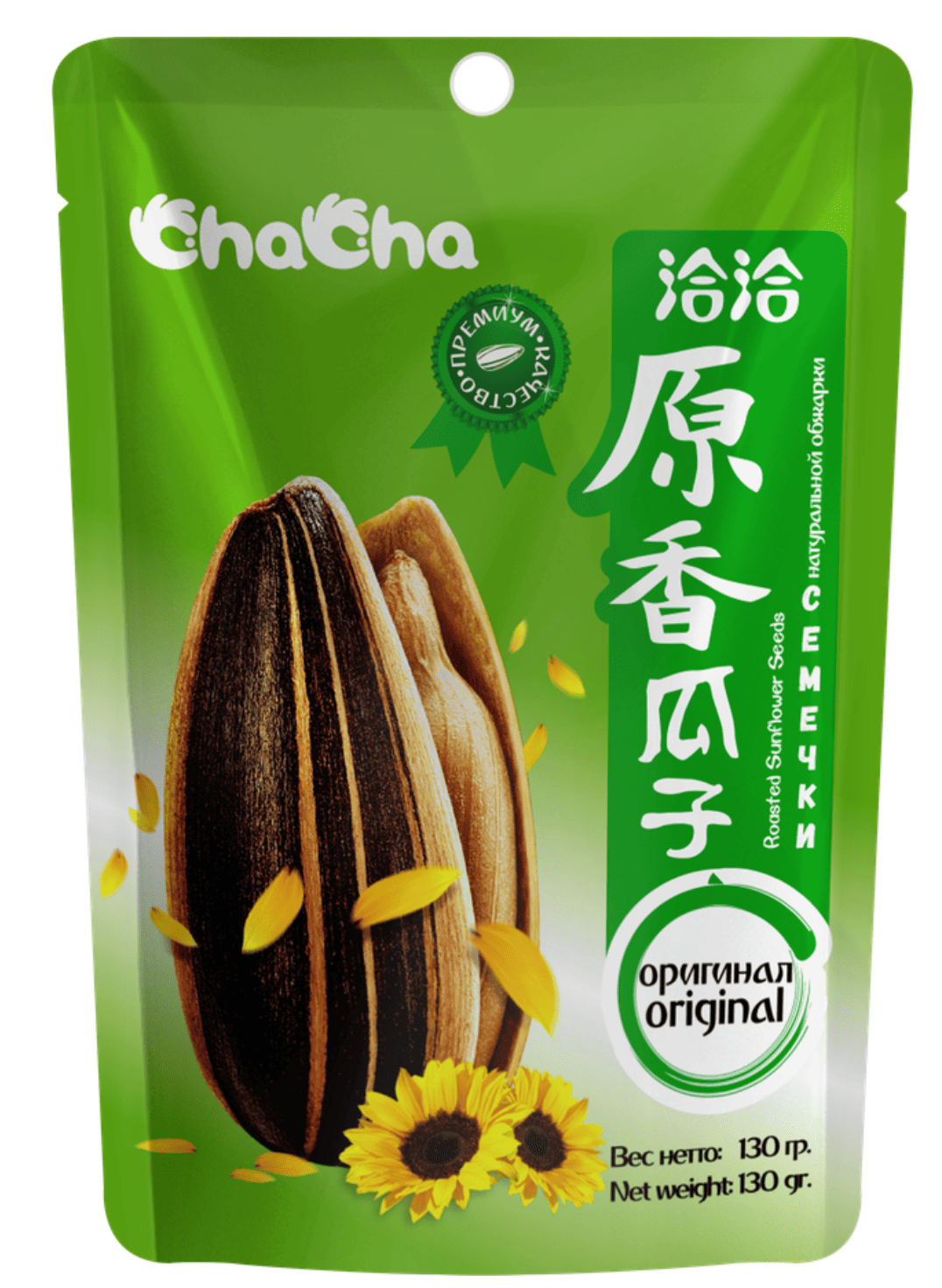
QIAQIA FOOD CO., LTD (core brand — ChaCha or ChaCheer) is a large Chinese corporation specializing in the production of snack products, primarily roasted sunflower seeds. The company was founded in 2001 and is based in Hefei (Anhui Province, PRC), supplying its products to more than 50 countries worldwide.
Main features: the ChaCha sunflower seed line uses large-caliber seeds, predominantly of striped varieties; the brand's assortment includes both classic options and products with complex flavor and aromatic profiles. The production technology of these seeds involves pre-boiling with spices and prolonged drying instead of the traditional oil roasting, which forms a taste profile that is non-standard for the Russian Federation.
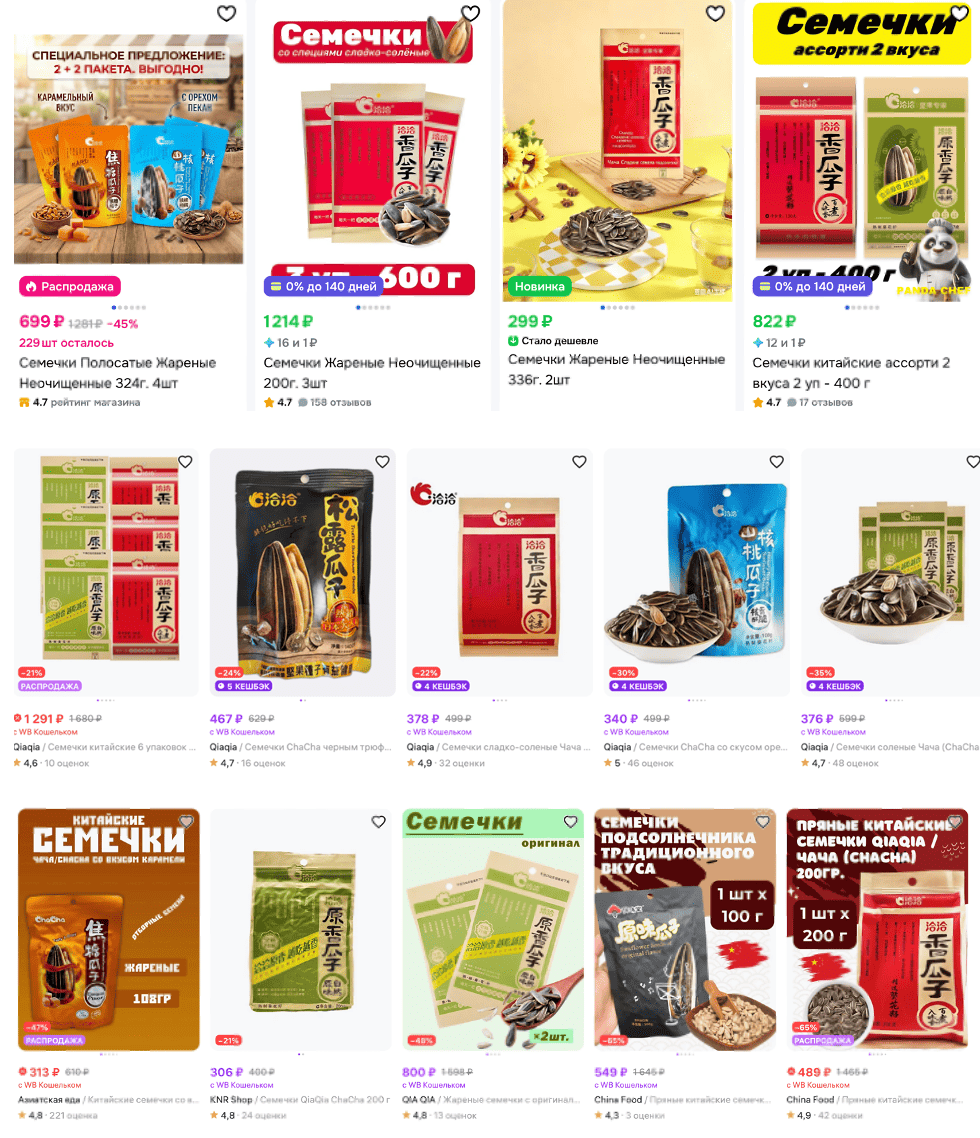
Products under the ChaCha brand are steadily expanding their presence in the Russian market and are represented by several flavors: "original" (without additives), "with spices," and "with sea salt," as well as sweet and spicy variants with caramel and other flavoring and aromatic additives.
The brand's distribution in Russia is omnichannel in nature. ChaCha products are represented in:
- specialized Chinese and Asian grocery stores
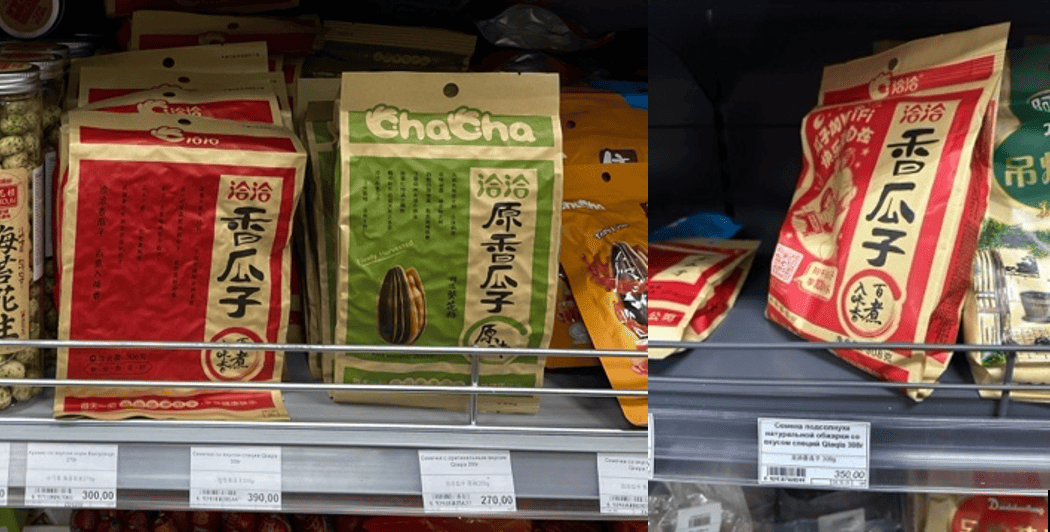
- e-commerce (marketplaces and delivery services, including Kuper and Yandex Market, Ozon, Wildberries)
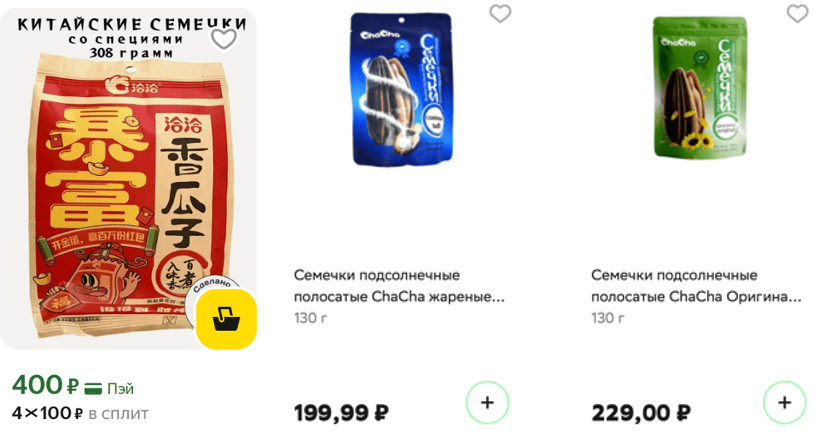
- federal offline retail, including Lenta hypermarkets.
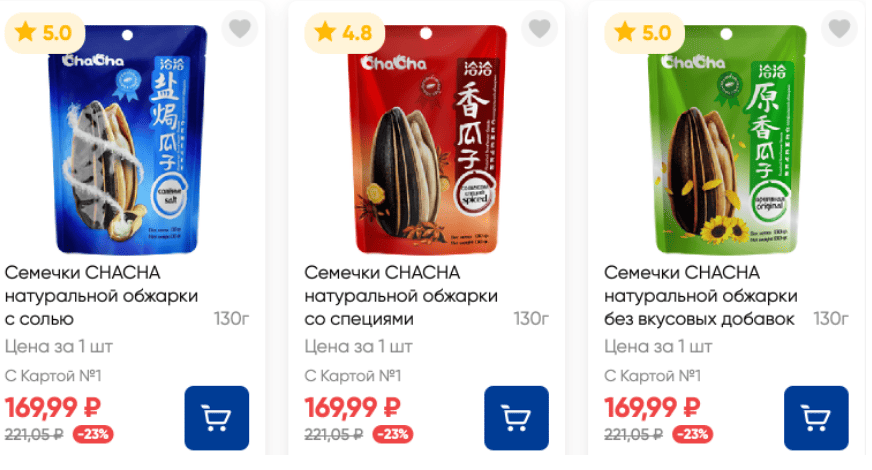
Some retail chains act as applicants for declarations and import the products directly from the manufacturer or exporter in China, while others work through specialized importers and distributors.
QIAQIA FOOD's omnichannel distribution model reflects the strategy of many Asian FMCG companies in the Russian market. The absence of an exclusive contract allows the brand to distribute risks and delegate operational processes to independent importers, who import the goods, undergo certification, and ensure the product's presence on marketplaces and in niche retail. In parallel, large federal retailers are starting to purchase the same goods for their networks on their own. Such an export structure allows the manufacturer to increase volumes without investing in its own local logistics. However, this approach has a significant drawback: by delegating importing to multiple unrelated EAEU residents, the head company cannot 100% control the pricing on the final shelf, nor form a unified marketing campaign and brand promotion strategy in Russia.