
 RU
RU
 CN
CN
China's Vitamin Water — a Growing Market, Smart Marketing, and Questions About the "Health Benefits"
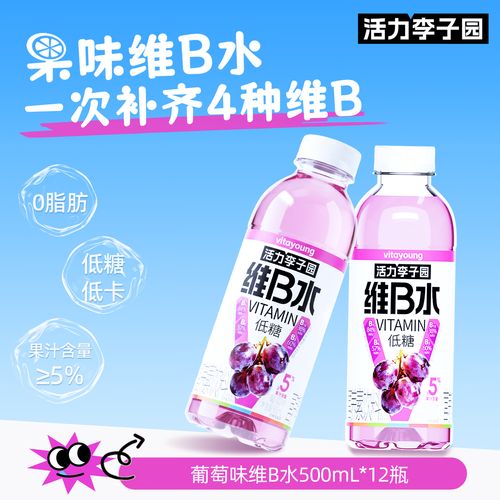
VitaYoung (活力李子园) is one of the most prominent players in the vitamin water segment, which is rapidly gaining momentum both within China and in export markets. Here's a breakdown of what's driving this trend — and what importers and buyers need to know when working with products in this category.
The Market: Numbers Speak for Themselves
China's functional beverage market was valued at $8.84 billion in 2024, with projections pointing to $16.9 billion by 2033 — roughly +7.5% annual growth. The vitamin drink segment within this market has already reached $4.35 billion, with the "Vitamin B" category being the fastest-growing. The core consumer is aged 18–35: urban office workers and health-conscious audiences. The primary sales driver is KOL marketing on Douyin and WeChat.
What the Product Is
VitaYoung positions itself as a drink with a high dose of vitamins B1, B3, B6, B12, reduced sugar content, and an innovative sweetener — D-psicose (阿洛酮糖, allulose). The latter is a rare natural sugar: it contains approximately 1/10 the calories of regular sugar, is barely metabolized by the body, and does not cause sharp spikes in blood glucose. It has been recognized as safe in peer-reviewed clinical studies. This is a technologically honest ingredient choice — unlike many competitors that simply reduce portion size.
What to Keep in Mind When Working With This Category
Nutritionists point to several systemic limitations of vitamin-enriched drinks that are worth considering when marketing these products in Russia and the CIS:
-
Most consumers with a normal diet have no B-vitamin deficiency, meaning the "high dose" claim is primarily a positioning tool, not a medical statement.
-
Water-soluble vitamins are not stored in the body and are excreted when consumed in excess, especially outside of meals.
-
Some products in the category contain 150%+ of the daily recommended intake of B-vitamins, which may place additional strain on the body with regular consumption.
Who the Product Actually Works For
The category has clear growth drivers: vegans and people on restrictive diets (potential B12 deficiency), as well as consumers looking to replace sugary carbonated drinks with a sugar-free alternative. For everyone else, VitaYoung is primarily a lifestyle product rather than a functional nutrition solution.
Key Takeaway for Importers and Retailers
VitaYoung is a well-constructed FMCG product with clear positioning, a technologically justified ingredient (allulose), and a well-defined target audience. China's functional beverage market is growing steadily, and demand for such products in Russia and the CIS will follow the same trajectory. That said, marketing communications for this product should be carefully calibrated: emphasis on taste, sugar-free format, and lifestyle appeal will land stronger than claims around "vitamin benefits," which require additional nuance